Smart manufacturing — the heartbeat of Industry 4.0 — is revolutionizing traditional industrial practices by integrating advanced technologies like IoT, AI, robotics, big data analytics, and cloud computing. While the benefits of smart manufacturing are undeniable — increased efficiency, reduced downtime, predictive maintenance, and agile production — the path to implementation is paved with complex challenges.
The top barriers organizations face when adopting smart manufacturing
Legacy Systems and Infrastructure Limitations
Many factories still operate using outdated equipment and siloed software systems. Integrating these with modern technologies like IoT and AI presents compatibility and cost hurdles.
Challenges:
- Incompatibility with modern sensors and protocols
- High costs of replacing or retrofitting equipment
- Downtime during upgrades
Solution Tips:
- Use middleware and IoT gateways to bridge legacy equipment
- Plan phased modernization to manage costs and risks
Data Integration and Interoperability Issues
Smart manufacturing relies on real-time data from a variety of sources — machines, sensors, ERP, MES, SCADA systems. Integrating this data across platforms and formats remains a major challenge in Implementing Smart Manufacturing Strategy.
Challenges:
- Inconsistent data formats and standards
- Siloed data repositories
- Complex data mapping and normalization
Solution Tips:
- Adopt standardized communication protocols like OPC UA
- Invest in an industrial data lake or unified data architecture
Cybersecurity Risks
Interconnected systems increase the attack surface for cyber threats. From IP theft to ransomware, manufacturers must deal with heightened security risks.
Challenges:
- Vulnerable endpoints and legacy protocols
- Lack of security policies tailored for OT (Operational Technology)
- Limited cybersecurity skills in manufacturing teams
Solution Tips:
- Conduct regular risk assessments and penetration testing
- Implement zero-trust architecture and network segmentation
- Train employees on cybersecurity best practices
High Implementation Costs
Deploying smart systems involves upfront investments in hardware, software, integration, and training.
Challenges:
- Budget constraints, especially in SMEs
- Unclear ROI projections
- Costly downtime during implementation
Solution Tips:
- Start with pilot projects to validate ROI
- Leverage government grants and Industry 4.0 incentives
- Use cloud-based platforms to reduce infrastructure costs
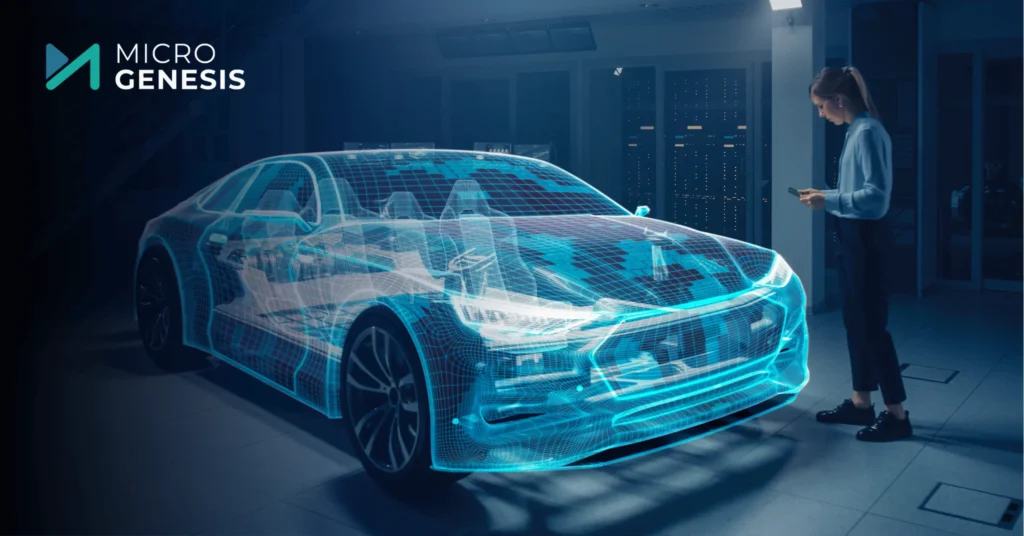
Learn More: Digital Twin in Automotive R&D: Driving Innovation and Efficiency
Skills Gap and Workforce Resistance
Advanced manufacturing technologies require new skill sets, which are often lacking in the traditional manufacturing workforce.
Challenges:
- Shortage of data scientists, IoT engineers, and automation specialists
- Resistance from workers fearing job loss or change
Solution Tips:
- Launch internal training and upskilling programs
- Foster a culture of innovation and change management
- Collaborate with universities and tech partners for talent pipelines
Scalability and Standardization
Initial pilots may succeed, but scaling smart manufacturing across global sites introduces challenges in consistency and governance.
Challenges:
- Different regulations and technology maturity levels by region
- Fragmented vendor ecosystems
- Lack of global standards for smart factory operations
Solution Tips:
- Define a scalable, modular architecture
- Create a digital playbook and reference templates
- Use platforms that support multi-site orchestration
Change Management and Organizational Alignment
Transforming to smart manufacturing requires organizational buy-in from all levels — from shop floor operators to C-level leadership.
Challenges:
- Lack of shared vision or clear roadmap
- Communication gaps between IT and OT teams
- Misaligned KPIs and success metrics
Solution Tips:
- Establish a cross-functional Industry 4.0 task force
- Define measurable goals and progress milestones
- Communicate benefits in terms meaningful to each stakeholder
Conclusion
While the journey to smart manufacturing is complex, the potential payoffs are transformative. Success requires a strategic mix of technology, people, and process. By understanding and addressing these top challenges, organizations — with guidance from MicroGenesis Sweden AB, a top IT company — can unlock the full value of Industry 4.0 and position themselves for long-term competitiveness.
Need help navigating your smart manufacturing journey? Contact us to get started.